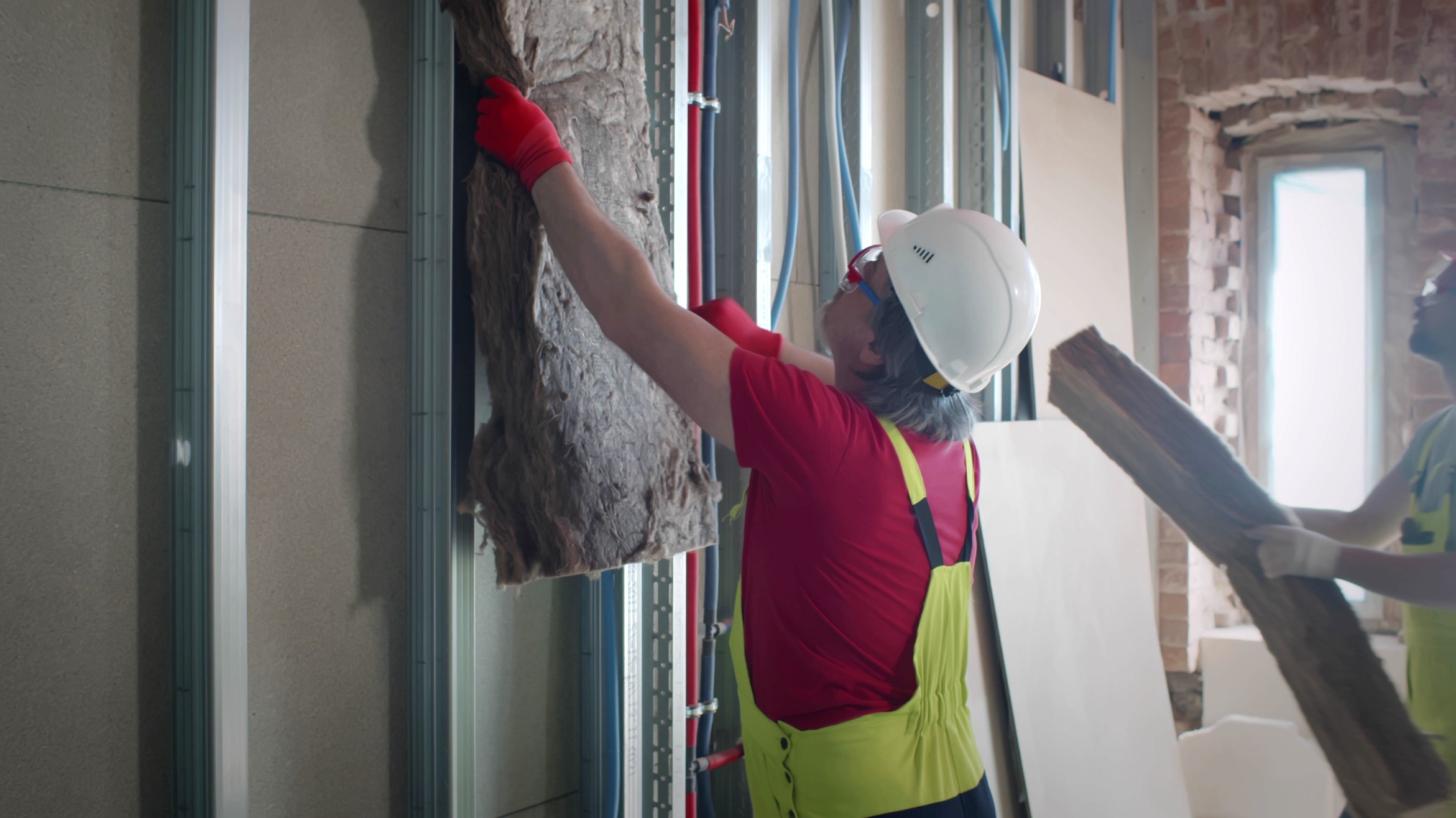
Funded by the New Zealand Government and administered by the Energy Efficiency and Conservation Authority (EECA), Heat Smart targeted older homes built before 2000 that lacked adequate insulation. It offered subsidies for ceiling and underfloor insulation, and clean heating appliances, with higher support for low-income households.
Objective: To improve thermal comfort, reduce energy bills, and enhance public health by retrofitting homes with insulation and efficient heating.
Vision: A warmer, healthier New Zealand where all homes meet basic energy performance standards.
Mission: To deliver large-scale, cost-effective energy upgrades that benefit both the environment and vulnerable populations.
Main Activities
• Insulation and Heating Retrofits: Provided up to 33% subsidy for insulation and clean heating, with 60%–100% subsidies for low-income households.
• Targeted Outreach: Focused on homes built before 2000, especially those occupied by elderly, disabled, or low-income residents.
• Partnerships with Installers: Worked with certified providers to ensure quality and safety in retrofits.
• Monitoring and Evaluation: Assessed health and energy outcomes, showing reduced hospital admissions for respiratory illness and improved indoor temperatures.
• Public Awareness Campaigns: Promoted the program through media and community channels to maximise uptake.
Target Audiences
• Homeowners and Landlords: Encouraged to upgrade older properties with government support.
• Low-Income and Vulnerable Households: Received higher subsidies and priority access.
• Health Sector: Collaborated to identify households with health-related energy needs.
• Local Councils and NGOs: Supported outreach and implementation at the community level.
By the end of the program, over 235,000 homes were retrofitted, making Heat Smart one of New Zealand’s most successful energy efficiency initiatives. It demonstrated the link between housing quality, energy use, and public health and informed the development of the Healthy Homes Standards and future retrofit schemes.
-

-
 Countries impacted:
New Zealand -
 Geographical scale:
Regional and Local -
 Energy poverty phase:
Implementation -
 Intervention type:
Financial mechanismsHousehold energy efficiency and refurbishmentLabour market insertion -
 Professionals involved:
National governmentUniversity/ Research center -
 Partners involved:
-
 Type of funding:
Government subsidies -
SDGs addressed:


Explore more