The Climate Active Neighbourhoods (CAN) project was a transnational initiative funded by Interreg North-West Europe, running from February 2016 to June 2023. Led by Climate Alliance, the project aimed to reduce greenhouse gas emissions in deprived urban areas by promoting energy-efficient renovations and empowering local communities through direct engagement.
• The mission of CAN was to activate citizens and small businesses in vulnerable neighborhoods to participate in the energy transition. It focused on areas with aging building stock and high energy consumption, where traditional top-down renovation strategies had limited impact.
• Its vision was to create inclusive, climate-resilient urban quarters by embedding energy efficiency into everyday life and local governance. CAN emphasized face-to-face engagement, behavioral change, and community ownership as key drivers of transformation.
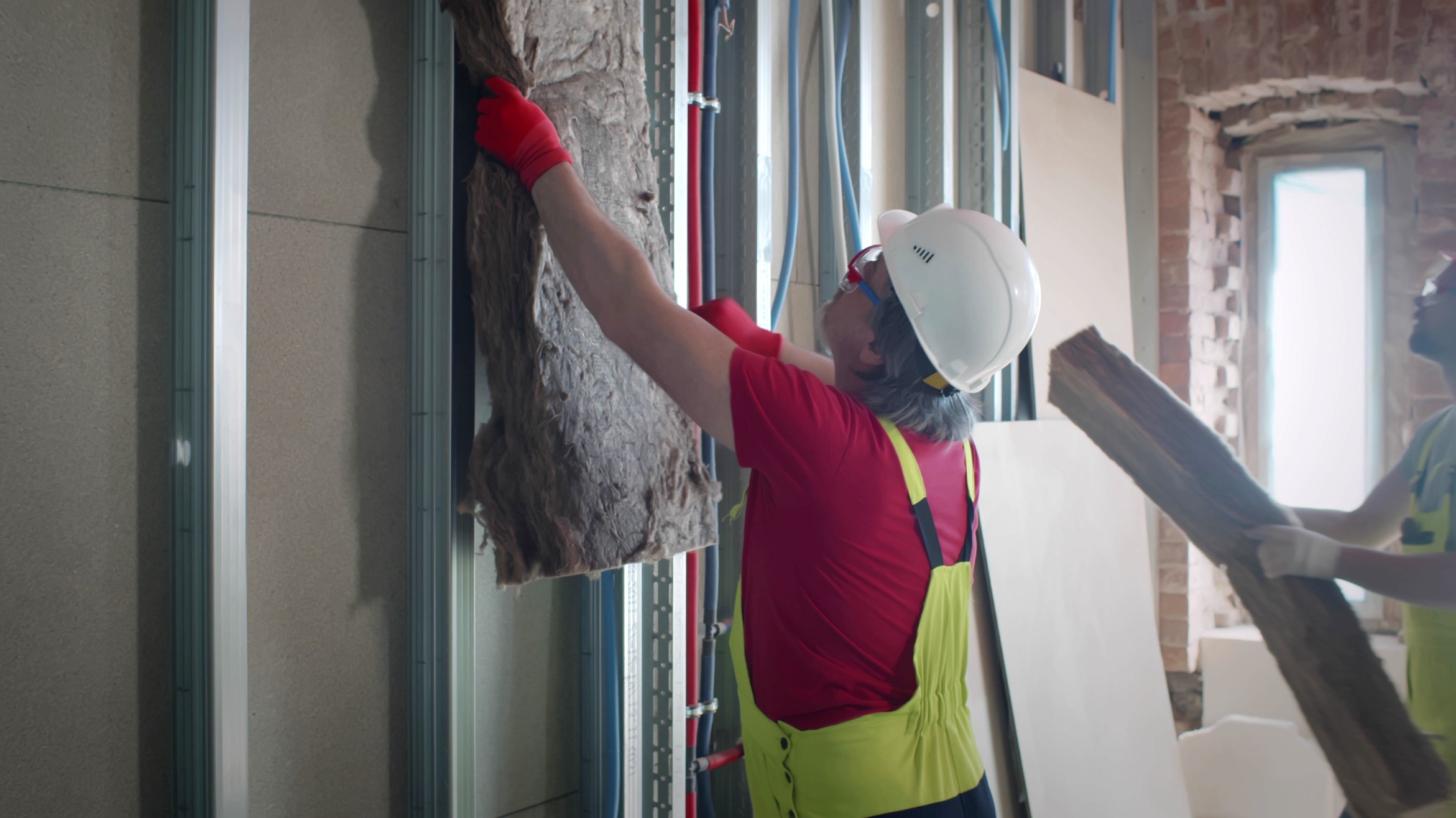
• In its first phase (2016–2020), CAN targeted residential neighborhoods in need of renovation. Project partners implemented innovative activation methods, including door-to-door energy visits, neighborhood workshops, and tailored advice to encourage low-carbon retrofits.
• In its second phase (2021–2023), CAN expanded to include small and medium-sized enterprises (SMEs) in mixed-use urban areas. It adapted its engagement strategies to reach shopkeepers, manufacturers, and service providers—groups often overlooked in municipal climate plans.
• Direct interaction methods (“face-to-face”) and partnerships with multiplicators (e.g., unions, frontrunners) were used to build trust and deliver measurable CO₂ reductions.
• Technical support included small-scale installations and energy monitoring systems, helping SMEs improve their energy standards without major financial burdens.
• The total project budget was €9.4 million, with €5.6 million funded by the European Regional Development Fund. This financial structure supported both technical interventions and capacity-building across regions.
• Target audiences included low-income households, SMEs, and municipal staff, with a strong emphasis on behavioral diagnostics and community empowerment.
CAN stands out as a model for localized climate action that integrates technical retrofitting with social engagement. By focusing on neighborhoods and SMEs, it addressed both the physical and behavioral dimensions of energy transition. The project’s tools—such as the Practice Cube and neighborhood-level CO₂ monitoring—remain valuable resources for municipalities seeking to replicate its success. Let me know if you'd like help mapping its governance structure or behavioral typologies into your comparative matrix.
-

-
 Countries impacted:
New Zealand -
 Geographical scale:
Regional and Local -
 Energy poverty phase:
Implementation -
 Intervention type:
Financial mechanismsHousehold energy efficiency and refurbishmentLabour market insertion -
 Professionals involved:
Energy service company (ESCOs)National governmentPrivate company -
 Partners involved:
-
 Type of funding:
Governmental -
 Website:
Case website -
SDGs addressed:

Explore more